

Wind resistance is vital for buildings and vehicles. It enhances safety and durability.
Understanding wind resistance features helps in making informed choices about construction and transportation. Wind can be incredibly forceful, impacting structures in various ways. Designers and engineers integrate specific features to reduce these effects. These features ensure stability and protect against damage from strong winds.
In areas prone to storms, wind resistance is even more crucial. It can prevent costly repairs and safeguard lives. Exploring these features reveals how technology and materials work together. They create structures that withstand nature’s challenges. This knowledge is beneficial for homeowners, builders, and developers alike. By understanding wind resistance, you can appreciate the engineering efforts that keep environments safe. Let’s delve into these features to see how they make a difference in resilience and safety.
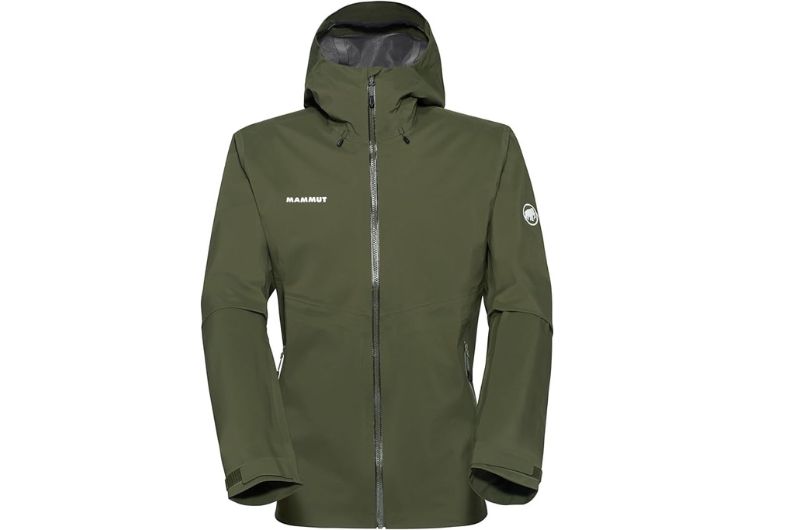
Importance Of Wind Resistance
Wind resistance features are crucial for any structure or vehicle. They ensure stability and safety during high winds. Understanding the importance of wind resistance can save lives and reduce costs. Let’s explore why wind resistance matters.
Safety Assurance
Wind-resistant designs protect structures from damage. High winds can topple buildings and trees. This poses risks to people nearby. Wind-resistant features minimize this danger. They provide stability during storms. Keeping structures intact prevents injuries and fatalities. Safety assurance is a key benefit of wind resistance.
Economic Benefits
Wind resistance saves money in the long run. It reduces repair costs after storms. Investing in wind-resistant materials cuts down on maintenance. Fewer repairs mean lower expenses over time. Insurance premiums may decrease with wind-resistant features. Economic benefits make wind resistance a smart investment.
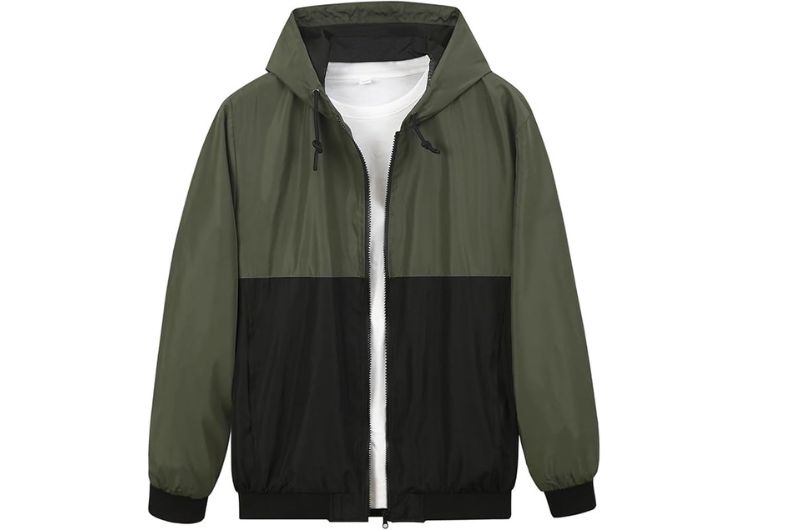
Building Design Strategies
Wind resistance is crucial for modern buildings. Engineers use smart strategies to minimize wind impact. These strategies improve safety and comfort. They also enhance energy efficiency. Let’s explore how aerodynamic shapes and structural reinforcement play key roles.
Aerodynamic Shapes
Aerodynamic shapes reduce wind pressure on buildings. Rounded corners and sloped roofs deflect wind effectively. These designs minimize turbulence around the structure. They help maintain stability during strong winds. Architects use computer models to test different shapes. This ensures optimal wind flow around buildings. Efficient designs lead to reduced material costs. They also increase overall safety.
Structural Reinforcement
Structural reinforcement strengthens buildings against wind forces. Steel beams and braces add support to the framework. These elements distribute wind loads evenly. Reinforced concrete provides additional stability. It resists bending and cracking under pressure. Engineers use advanced materials for added strength. These include carbon fiber and high-tensile steel. Reinforcement ensures the building can withstand extreme weather. It protects occupants and prolongs the building’s lifespan.
Material Selection
Choosing the right materials can make all the difference in wind resistance features. The materials you select will directly impact the durability and effectiveness of your design against fierce winds. Let’s delve into the world of material selection, focusing on durable materials and innovative alternatives that can withstand the test of time and weather.

Durable Materials
Durability is key when it comes to battling the forces of nature. You want materials that not only hold up but thrive under pressure. Think about steel and reinforced concrete. These are classic choices for their strength and longevity.
Steel, for instance, offers incredible tensile strength. It’s a go-to for frameworks that need to stand firm against wind forces. Reinforced concrete provides a solid foundation, ensuring stability in turbulent conditions.
Have you ever wondered why certain skyscrapers seem unshakeable during storms? It’s because they rely heavily on these robust materials. The next time you’re in a high-rise building during a windy day, think about the steel and concrete keeping you safe.
Innovative Alternatives
Innovation doesn’t just mean new; it means better. Sometimes, the best materials are those that surprise you. Consider fiber-reinforced polymers or high-performance synthetic fabrics. These materials are increasingly popular for their lightweight yet sturdy properties.
Fiber-reinforced polymers offer flexibility and strength. They can bend without breaking, a crucial feature in high-wind areas. High-performance synthetic fabrics, on the other hand, are used in architectural designs like tensile structures that need to withstand wind without tearing.
Have you thought about how a tent can withstand strong gusts without collapsing? It’s due to these advanced fabrics that can flex with the wind. Next time you’re camping in windy conditions, remember the innovation behind your shelter.
What materials would you trust to protect you from extreme weather conditions? Your choice could make all the difference in wind resistance features. Whether you opt for tried-and-true durability or cutting-edge innovation, the right material selection is crucial.
Advanced Technologies
In the realm of wind resistance, advanced technologies are reshaping how buildings withstand nature’s forces. Picture a futuristic cityscape where structures intelligently adapt to wind patterns. These innovations not only enhance safety but also boost energy efficiency and aesthetic appeal. Imagine walking through a city where buildings seem to dance with the wind rather than struggle against it.
Smart Windows
Smart windows are a game-changer in modern architecture. They automatically adjust their tint based on wind speed and direction. This feature not only reduces glare but also minimizes heat loss, allowing for a more comfortable indoor environment.
Imagine sitting in your living room during a storm, watching the windows subtly change to protect you from the elements. These windows can also optimize natural light, reducing the need for artificial lighting. As a result, you save on energy bills while enjoying a cozy atmosphere.
Have you ever considered how your windows could actively contribute to your home’s resilience? With smart windows, you’re not just looking through glass; you’re experiencing a dynamic interaction with the world outside.
Wind-responsive Facades
Wind-responsive facades take architectural ingenuity to a new level. They adjust their shape and orientation according to wind pressure, significantly reducing structural stress. These facades can change appearance, offering a fresh look while ensuring stability.
Consider a building that shifts its exterior panels to channel wind flow efficiently. This not only enhances durability but also adds a unique visual element to urban landscapes. Such responsive designs keep structures safe during high winds, providing peace of mind to occupants.
Could your workplace benefit from a facade that adapts to the weather like this? Wind-responsive facades promise a more resilient and visually striking environment, blurring the line between functionality and artistry.
Roofing Solutions
Roofing solutions with wind resistance features are essential for safety. These features protect roofs from strong winds. They enhance durability by securing shingles and tiles tightly, preventing damage.
When it comes to keeping your home safe from harsh winds, the right roofing solution is critical. A roof does more than just cover your home; it acts as a protective shield against the elements. Ensuring your roof can withstand strong winds is essential for safeguarding your property and peace of mind.
Wind-tolerant Roofs
Choosing a wind-tolerant roof can mean the difference between sleeping soundly during a storm and dealing with costly repairs. Look for materials like metal, which has an excellent track record against high winds. Asphalt shingles are another good option if they have a high wind rating. You might be surprised to learn that slate and tile, while heavy, can also offer great wind resistance when installed correctly.
Enhanced Fastening Systems
A roof’s ability to withstand wind isn’t just about the materials—it’s also about how those materials are secured. Enhanced fastening systems play a crucial role in ensuring your roof stays put during a storm. Consider using ring-shank nails or screws instead of standard nails. They offer superior holding power and can significantly increase your roof’s wind resistance.
Reflect on the last time a storm hit your area—did you feel confident about your roof’s ability to hold up? Ensuring your roof is securely fastened can ease those worries. Investing in wind-resistant roofing solutions is not just about protecting your home; it’s about protecting your investment. Do you know if your roof is ready for the next big storm? Taking action now can save you time, money, and stress down the line.
Foundation Strengthening
Wind resistance features enhance foundation strength by minimizing damage during storms. Reinforced materials and strategic design help buildings withstand strong gusts. These elements protect structures, ensuring stability and safety for occupants.
When it comes to wind resistance features, strengthening the foundation of your home is crucial. A robust foundation helps protect your property from the damaging effects of strong winds. It’s not just about securing the structure but ensuring the safety and peace of mind for you and your family. Let’s dive into some practical ways to enhance the foundation strength of your home.
Deep Anchoring
Deep anchoring is like giving your home sturdy roots. By driving anchors deep into the ground, you ensure that your house remains stable during high winds. This method is especially effective for homes in hurricane-prone areas. Imagine how a tree withstands a storm.
Its deep roots keep it grounded. Similarly, deep anchoring provides a strong grip to your foundation, minimizing the risk of your home shifting or lifting. Consider consulting a professional to assess the best anchoring techniques for your soil type. This investment can save you from costly repairs down the road.
Soil Stabilization
Soil stabilization is another key aspect of foundation strengthening. Unstable soil can compromise the integrity of your home during a windstorm. By stabilizing the soil, you create a solid base that can better support your home. There are various methods for soil stabilization, such as using chemical additives or mechanical compaction. Each method is tailored to specific soil conditions, ensuring optimal results.
Have you ever noticed how some roads withstand the test of time while others develop cracks? The secret often lies in the ground beneath. Similarly, by addressing the soil under your home, you enhance its wind resistance. Have you considered what lies beneath your home? Understanding and improving these features might be the key to weathering the next storm unscathed.
Case Studies
Explore wind resistance features through insightful case studies. Discover innovative designs that enhance stability and safety. Learn how structures withstand strong winds effectively.
Wind resistance features are essential for ensuring the stability and safety of structures in windy conditions. But how do these features perform in real-world scenarios? Through case studies, we can explore examples of successful implementations and the lessons learned from them. These stories offer insights into what works and what doesn’t, providing valuable information for anyone looking to improve their own projects.
Successful Implementations
In one remarkable case, a high-rise building in Chicago integrated wind resistance features that proved incredibly effective during a major storm. By using aerodynamic designs and strategic placement of openings to allow wind passage, the building withstood gusts without damage. Another example comes from Japan, where a bridge was constructed with specialized wind barriers.
These barriers not only protected the structure but also reduced noise from the wind, enhancing the experience for commuters. These successful cases highlight practical strategies that can be applied to various projects. Are you considering similar features for your next construction?
Lessons Learned
Not all implementations go off without a hitch. In a project in Dubai, the initial wind resistance design failed to account for unique local wind patterns. This oversight led to costly modifications after construction had begun. A stadium in Brazil also faced challenges when wind resistance features were added too late in the design process. The rushed integration led to inefficiencies and higher costs, underscoring the importance of early planning.
These lessons remind us that thorough research and timely integration are crucial. Have you factored in local conditions and planned early enough to avoid similar pitfalls? Understanding these case studies can guide your approach to wind resistance. What steps will you take to ensure your project stands strong against the wind?

Future Trends
Wind resistance features are gaining attention in modern architecture. These elements help buildings withstand strong winds effectively. Engineers design structures with special shapes and materials to reduce wind impact, enhancing safety and durability.
In recent years, the push towards creating structures that can withstand fierce winds has gained momentum. With climate change causing unpredictable weather patterns, wind resistance is more important than ever. What’s on the horizon for wind-resistant designs? Let’s explore future trends that promise safer, more sustainable structures.
Sustainable Practices
Sustainability is not just a buzzword; it’s a necessity. Future wind-resistant designs will likely emphasize eco-friendly materials. Bamboo, for instance, is not only strong but also renewable. Imagine a building that not only stands firm against the wind but also minimizes its carbon footprint. This is possible with materials that reduce energy consumption during production. Would you choose a home that prioritizes both your safety and the planet’s wellbeing? Sustainable practices are paving the way for a greener future.
Emerging Innovations
The future of wind resistance also lies in technological advancements. Smart materials that adapt to wind pressure are on the rise. Think of them as materials with a mind of their own. Adaptive facades, for example, can change their shape to minimize wind impact. This innovation could revolutionize urban landscapes, making cities safer. Have you ever wondered how technology could transform the buildings you live or work in?
These emerging innovations offer a glimpse into a future where buildings are smarter and more resilient. Incorporating these future trends into wind-resistant designs ensures that we are not only prepared for today’s challenges but also ready for tomorrow’s uncertainties. What steps will you take to be part of this exciting journey?
Conclusion
Wind resistance features enhance safety and comfort during travel. These features reduce drag and improve fuel efficiency. Vehicles stay stable even in strong winds. Driving becomes smoother and more controlled. Designers focus on aerodynamics for better performance. Innovations in technology lead to smarter designs.
These advancements benefit drivers every day. Wind resistance features save money and energy. Choose vehicles with these features for a better ride. They offer peace of mind on windy roads. Embrace the future of driving with these smart choices. Stay safe, efficient, and comfortable on your journeys.
Frequently Asked Questions
What Is Level 11 Wind Resistance?
Level 11 wind resistance refers to a structure’s capability to withstand winds up to 110 km/h. This level is crucial for safety in areas prone to strong winds. Products like tents or umbrellas with this rating are designed for enhanced durability.
Always check product specifications for accurate wind resistance levels.
Are 11 Mph Winds Strong?
11 mph winds are considered a gentle breeze. They are not strong and usually don’t cause damage. Activities like walking or cycling might be slightly affected, but they remain manageable. These winds are common and typically not a cause for concern in most situations.
What Is The 11 On The Beaufort Scale?
The Beaufort scale’s level 11 indicates a violent storm with wind speeds of 56-63 knots. This results in exceptionally high waves, heavy seas, and minimal visibility, causing severe structural damage. It’s a rare occurrence, often leading to dangerous conditions for marine navigation and coastal areas.
What Does Level 7 Wind Resistance Mean?
Level 7 wind resistance indicates a product can withstand strong winds up to 61. 2 mph. It’s suitable for high wind areas, ensuring durability and safety. This level is commonly found in outdoor equipment like tents and umbrellas, offering reliable performance in challenging weather conditions.
What are smart materials?
Smart materials adapt to wind pressure to improve building stability.